





Key Takeaways
- GLP-1 receptor agonists (GLP-1 RAs)—including semaglutide (Ozempic, Wegovy) and tirzepatide (Mounjaro, Zepbound)—cause weight loss primarily by suppressing appetite, which can lead to a caloric deficit deep enough to trigger lean body mass (LBM) loss alongside fat loss.
- An exploratory DEXA analysis of the STEP 1 trial found that semaglutide produced a 9.7% reduction in total lean body mass over 68 weeks — alongside a 19.3% reduction in total fat mass, meaning fat was lost at roughly twice the rate of lean tissue.
- The primary countermeasures to GLP-1-related muscle loss are: adequate protein intake (research supports targets of 1.2–1.6 g per kilogram of body weight per day, or higher in older adults), consistent resistance training, and ensuring essential amino acid (EAA) availability.
- Caloric deficits increase whole-body EAA requirements, meaning the body needs more of these muscle-building amino acids at the exact time that appetite suppression makes them harder to consume.
- Semaglutide and tirzepatide have broadly similar effects on lean mass loss; the medication itself is not the primary driver—insufficient protein and absent resistance training are.
- This guide covers the physiology behind GLP-1-induced muscle loss, evidence-based protein and training protocols, key nutrients to monitor, and how to recognize early warning signs that muscle is being lost.
What Is a GLP-1 Receptor Agonist?
A GLP-1 receptor agonist (GLP-1 RA) is a class of medication that mimics glucagon-like peptide-1, a hormone naturally released by the gut after eating. GLP-1 slows gastric emptying, stimulates insulin secretion in response to glucose, suppresses glucagon, and signals the brain's satiety centers to reduce appetite.
People taking GLP-1 RAs eat significantly less, often without feeling hungry.
The most widely prescribed GLP-1 RAs for weight management include:
- Semaglutide — sold as Ozempic (diabetes) and Wegovy (weight loss), administered by weekly subcutaneous injection
- Tirzepatide — sold as Mounjaro (diabetes) and Zepbound (weight loss), a dual GIP/GLP-1 agonist administered by weekly injection
- Liraglutide — sold as Saxenda (weight loss) and Victoza (diabetes), administered by daily injection
GLP-1 RAs were originally developed as diabetes treatments but have become widely used for obesity and weight management following large clinical trials showing substantial weight loss outcomes.
Why GLP-1 Medications Cause Muscle Loss
GLP-1 medications cause weight loss by putting users in a sustained caloric deficit. That deficit is where the problem begins for muscle preservation.
The Appetite Suppression Problem
When appetite is significantly suppressed, total food intake drops, often dramatically. Most users of GLP-1 RAs reduce their caloric intake by 30–50% or more, particularly in the early months of treatment.
The challenge is that this reduction in calories almost always means a reduction in protein intake, because protein comes from food.
Protein provides the essential amino acids (EAAs) the body requires to support muscle protein synthesis (MPS) — the process by which muscle tissue is continuously built, repaired, and maintained.
When protein intake falls below what is needed to support MPS, the body begins drawing amino acids from existing muscle tissue to meet its metabolic demands.
How Caloric Deficits Increase EAA Requirements
The relationship between caloric restriction and muscle loss is not just about total calories, it is fundamentally about amino acid availability.
Essential amino acids are the nine amino acids the body cannot produce on its own: histidine, isoleucine, leucine, lysine, methionine, phenylalanine, threonine, tryptophan, and valine. They must come from food (or supplementation). All nine are required to fully support muscle protein synthesis.
Research shows that caloric deficits increase protein and thus, whole-body EAA, requirements.
A study by Gwin and colleagues found that five days of a 30% caloric deficit required a three-fold increase in EAA intake to maintain a positive whole-body protein balance.¹ When those elevated EAA requirements are not met through diet, the body breaks down muscle protein to supply the necessary amino acids—an outcome that cannot be fully reversed until EAA intake catches up.
This is the core physiological trap of GLP-1 use: the medication suppresses appetite, which reduces food intake, which reduces protein intake, at the exact moment the body's EAA requirements have increased due to the induced caloric deficit.
The Scale of Lean Mass Loss
Clinical trial data on GLP-1 medications consistently show that both lean mass and fat mass are lost during treatment, with fat typically lost at a faster rate. An exploratory DEXA substudy of the STEP 1 trial (140 participants, 68 weeks) found that semaglutide 2.4 mg produced a 19.3% reduction in total fat mass and a 9.7% reduction in total lean body mass — with the proportion of lean mass relative to total body mass actually increasing by 3.0 percentage points because fat was lost more rapidly.² These results were exploratory and not corrected for statistical multiplicity, so they should be interpreted accordingly.
The practical implication is clear regardless: a meaningful absolute reduction in lean tissue occurs during GLP-1-facilitated weight loss, and that loss is accelerated when protein intake and resistance training are not prioritized. The exact lean-to-fat split depends heavily on those two variables—which means it is a modifiable outcome.
Bottom Line
GLP-1 medications do not directly destroy muscle. They reduce appetite so effectively that protein intake drops, and caloric restriction increases EAA requirements simultaneously.
The result is a metabolic environment where lean mass loss is likely unless protein intake is deliberately maintained and resistance training is consistently practiced.
How Much Protein Do You Need on a GLP-1?
Protein requirements on a GLP-1 are meaningfully higher than standard recommendations, and this is one of the most important and underappreciated facts for anyone on these medications.
Why Standard Protein Recommendations Are Not Enough
The standard dietary reference intake (DRI) for protein is 0.8 grams per kilogram of body weight per day. This recommendation was established to prevent deficiency, not to preserve muscle mass during caloric restriction, support active individuals, or address the elevated EAA requirements that accompany a sustained caloric deficit.
For GLP-1 users who are in caloric restriction and want to preserve lean body mass, current evidence supports a significantly higher target.
Evidence-Based Protein Targets for GLP-1 Users
|
Situation |
Recommended Protein Intake |
|---|---|
|
Sedentary adults on GLP-1 |
1.2 g/kg body weight/day (minimum) |
|
Active adults on GLP-1 |
1.4–1.6 g/kg body weight/day |
|
Adults over 50 on GLP-1 |
1.6–2.0 g/kg body weight/day |
|
Active adults over 50 on GLP-1 |
1.8–2.2 g/kg body weight/day |
These ranges are consistent with protein recommendations published for weight-loss-phase nutrition and reflect the elevated requirements that accompany both caloric restriction and aging.³
For practical reference: a 180-pound (82 kg) active adult on a GLP-1 should be targeting approximately 115–130 grams of protein per day. Most GLP-1 users, with suppressed appetites, are getting far less.
The Distribution Challenge
It is not enough to hit a daily protein total. How that protein is distributed throughout the day matters for muscle protein synthesis. Research supports spreading protein intake across three to four meals or feeding events, with each meal containing a sufficient dose (typically 25–40 grams of high-quality protein) to maximally stimulate MPS.⁴
GLP-1 users face a practical problem: appetite suppression often compresses eating windows and reduces meal size, making it difficult to hit adequate per-meal protein doses even when overall daily targets are attempted.
What Makes Protein "High Quality"?
Protein quality is determined primarily by its essential amino acid content and digestibility. High-quality protein sources — whey, eggs, meat, fish, poultry, and dairy — contain all nine EAAs in proportions that effectively support MPS. Plant-based proteins vary widely in their EAA profiles, with most being lower in one or more EAAs (particularly leucine, lysine, and methionine).
The metric used to assess protein quality is the Digestible Indispensable Amino Acid Score (DIAAS). Animal proteins score highest; most plant proteins score lower, meaning higher quantities are needed to deliver the same EAA content.
For GLP-1 users eating less overall, protein quality becomes especially important: every gram of protein consumed needs to count.
The Role of Essential Amino Acids During a Caloric Deficit
When whole-food protein intake is difficult to maintain—due to GLP-1-induced appetite suppression, nausea, or restricted eating windows—ensuring adequate EAA availability becomes the nutritional priority.
Free-form EAAs (essential amino acids in their individual, pre-digested form) offer a targeted way to deliver all nine EAAs without the caloric load or digestive burden of a full protein meal.
Research shows that free-form EAAs stimulate MPS to a greater degree per gram than equivalent amounts of intact protein.⁵ Because free-form EAAs require no digestion, they produce a rapid rise in plasma amino acid concentrations that drives EAA transport into muscle.⁶
This makes EAA supplementation a practical option for GLP-1 users who cannot reliably consume adequate whole-food protein—not as a replacement for food protein, but as a targeted tool to fill gaps when appetite is suppressed.
Bottom Line
GLP-1 users should target 1.2–2.2 grams of protein per kilogram of body weight per day depending on age and activity level, distributed across multiple meals with adequate per-meal doses.
When whole-food protein intake is compromised by appetite suppression, ensuring essential amino acid availability through high-quality sources becomes the priority.


Resistance Training Protocols for GLP-1 Users
Protein alone will not fully protect muscle mass during a caloric deficit. Resistance training is the single most effective intervention for preserving lean body mass during weight loss, and it is essential — not optional — for anyone on a GLP-1 medication.
Why Resistance Training Matters
Resistance training stimulates muscle protein synthesis directly through mechanical loading of muscle tissue. This anabolic signal, combined with adequate protein and EAA availability, creates the conditions for muscle preservation even in a caloric deficit.
Without resistance training, the body has no signal to retain muscle tissue. The metabolic logic is straightforward: if muscle is not being used and challenged under load, and the body is in an energy deficit, that tissue becomes a target for catabolism.
The combination of EAAs and resistance exercise produces an anabolic effect greater than either alone. Research shows that exercise-induced increases in limb blood flow enhance EAA delivery to contracting muscle, amplifying the muscle protein synthesis response.⁷ This means that resistance training and adequate EAA intake are synergistic, not interchangeable.
Recommended Resistance Training Frequency
For GLP-1 users focused on muscle preservation, current evidence supports:
-
Minimum: 2 full-body resistance training sessions per week
-
Optimal: 3–4 sessions per week, with adequate recovery between sessions targeting the same muscle groups
- Session duration: 40–60 minutes per session is sufficient; volume and progressive overload matter more than session length
Progressive Overload
Progressive overload (gradually increasing the challenge placed on muscles over time) is the mechanism that drives muscle adaptation. This can be achieved by:
- Increasing weight/resistance
- Increasing repetitions at the same weight
- Increasing sets
- Reducing rest intervals (with caution to maintain form)
For GLP-1 users who are losing weight and potentially losing some strength alongside fat, the priority is to maintain or slowly progress load rather than aggressively push weights. Maintaining the training stimulus is what preserves muscle; it does not require maximal-effort lifting at every session.
Training Recommendations by Goal
|
Goal |
Recommended Training Structure |
|---|---|
|
Muscle preservation |
3–4x/week full-body or upper/lower split; moderate load (65–80% 1RM); 3–4 sets of 8–12 reps per exercise |
|
Maintaining strength |
2–3x/week; higher load (80–85% 1RM); 3–5 sets of 4–6 reps per exercise |
|
Functional fitness / older adults |
2–3x/week; full-body compound movements; bodyweight to moderate load acceptable; prioritize movement quality |
Aerobic Exercise
Aerobic exercise is not contraindicated on a GLP-1, but it does not provide the same muscle preservation benefit as resistance training. Moderate-intensity cardio (walking, cycling, swimming) supports cardiovascular health, energy expenditure, and overall wellbeing on GLP-1 therapy. High-volume endurance training without adequate protein intake can increase the risk of lean mass loss, particularly in users who are already in a deep caloric deficit.
A practical approach: prioritize resistance training for muscle preservation, and add aerobic exercise based on cardiovascular health goals and personal preference — rather than defaulting to cardio-only activity.
The Role of Creatine
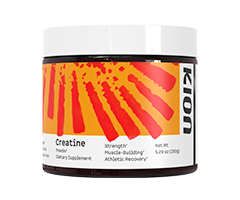
Creatine monohydrate is one of the most well-researched and consistently supported supplements for preserving strength and lean body mass during resistance training and caloric restriction.
Multiple meta-analyses support its role in improving training performance and reducing lean mass loss. For GLP-1 users engaged in resistance training, creatine is a practical and evidence-backed addition to a muscle preservation protocol.
Bottom Line
Resistance training is not optional for anyone on a GLP-1 who wants to preserve lean body mass. A minimum of two full-body sessions per week, with progressive overload, is required. Three to four sessions per week is the evidence-supported target for meaningful muscle preservation. Creatine supplementation may support training performance and lean mass maintenance in this context.
Key Nutrients to Support Lean Body Mass on GLP-1 Therapy
GLP-1 medications reduce overall food intake, which creates risk of micronutrient deficiencies alongside macronutrient shortfalls. Several nutrients are particularly relevant for muscle preservation and overall metabolic health in this context.
Vitamin D
Vitamin D plays a role in muscle function, and low vitamin D status is associated with reduced muscle strength and physical performance in older adults.⁸ GLP-1 users eating significantly less food are at risk for inadequate vitamin D intake, particularly those with limited sun exposure. Routine monitoring and supplementation may be appropriate — this is a clinical conversation to have with a prescribing physician.
B Vitamins
B vitamins — including B6, B12, and folate — are involved in amino acid metabolism and energy production. Reduced food intake, and particularly reduced intake of animal products (a common pattern in GLP-1 users who develop aversion to meat), can lower B vitamin intake. B12 is of particular concern for anyone reducing animal protein consumption, as it is found almost exclusively in animal-sourced foods.
Iron
Iron deficiency is associated with fatigue and reduced exercise capacity. GLP-1 users who reduce their intake of red meat and other iron-rich foods, or who experience dietary restriction, may be at risk for reduced iron intake. Women of reproductive age are at higher baseline risk.
Omega-3 Fatty Acids
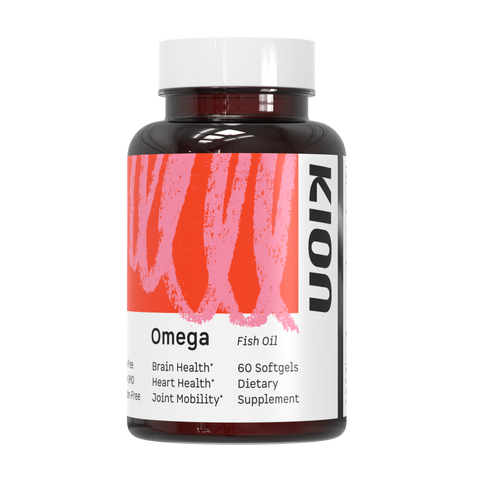
Omega-3 fatty acids — specifically EPA and DHA — have been studied in the context of muscle protein synthesis and inflammation management during caloric restriction. Some research suggests omega-3 supplementation may support anabolic sensitivity in muscle tissue, which is particularly relevant for older adults experiencing anabolic resistance.⁹ For GLP-1 users reducing fatty fish intake, omega-3 supplementation may help fill this gap — see Kion Omega here.
Essential Amino Acids
As covered earlier in this guide, ensuring all nine EAAs are available is the nutritional priority for muscle protein synthesis. When whole-food protein intake is consistently suppressed by GLP-1 therapy, a free-form EAA supplement can help maintain EAA availability without the caloric load or digestive demand of a full protein shake.
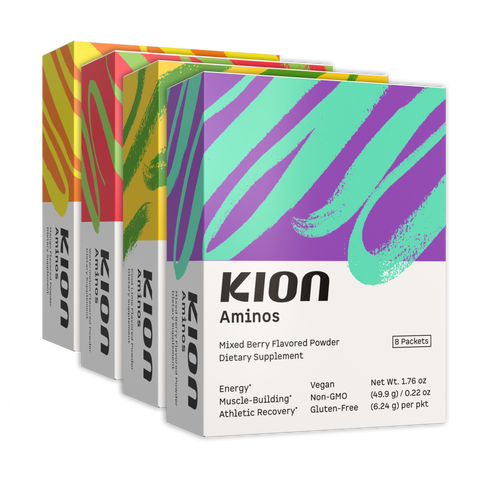
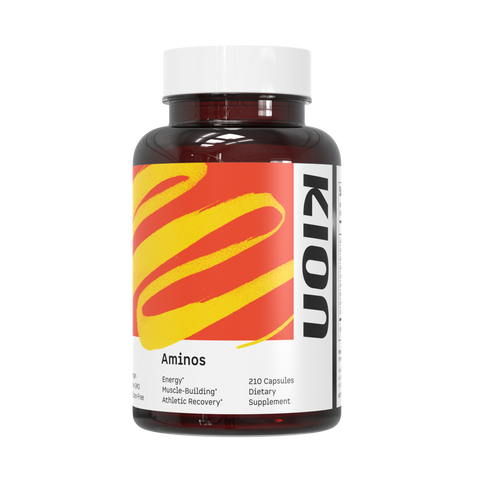
Kion Aminos provides all nine essential amino acids in free-form format. For GLP-1 users managing suppressed appetite, it represents a low-volume, easy-to-consume option for supporting muscle protein synthesis between meals or when protein targets are difficult to reach through food alone — learn more about Kion Aminos here.
Practical Monitoring Approach
GLP-1 users should work with their prescribing clinician to periodically monitor:
- Vitamin D (25-OH-D serum level)
- B12 (particularly for those reducing animal protein)
- Complete blood count (iron status)
- Body composition (lean mass vs. fat mass, not just scale weight)
Tracking body weight alone is insufficient — it does not distinguish between fat loss and muscle loss, which is the key metric for outcome quality on GLP-1 therapy.
Signs You Are Losing Muscle on a GLP-1 (And How to Course-Correct)
Not everyone who loses weight on a GLP-1 medication is losing the wrong kind of weight. But several warning signs suggest lean mass loss may be occurring at a problematic rate.
Physical and Performance Warning Signs
|
Warning Sign |
What It May Indicate |
|---|---|
|
Strength declining at the gym despite consistent training |
Lean mass loss, inadequate protein, or insufficient recovery |
|
Fatigue during workouts that feels disproportionate to effort |
EAA/protein insufficiency, iron deficiency, or B12 depletion |
|
Muscle soreness that persists longer than usual |
Inadequate protein for MPS and repair |
|
Difficulty with activities that used to feel easy |
Functional lean mass decline |
|
Weight on the scale dropping faster than expected |
Potential water and lean mass loss, not just fat |
|
Feeling "softer" despite weight loss |
Body composition shifting unfavorably toward fat retention relative to lean tissue |
Body Composition Assessment
Scale weight is the least informative metric for GLP-1 outcomes. What matters is how much of the weight lost comes from fat versus lean tissue.
Options for tracking body composition (in rough order of accuracy and accessibility):
-
DEXA scan — gold standard; shows fat mass, lean mass, and bone density
-
Bioelectrical impedance analysis (BIA) — accessible and easy to repeat; less precise than DEXA but useful for tracking trends
-
Circumference measurements — waist, hip, arm, thigh; useful proxy when clinical tools are unavailable
- Functional tests — grip strength (dynamometer), sit-to-stand test, or consistent gym performance tracking
Course Corrections
If warning signs appear, the most impactful adjustments are:
-
Increase protein intake to the higher end of the target range — Prioritize leucine-rich sources (eggs, fish, poultry, dairy, and where supplementation is needed, high-quality EAA products)
-
Confirm resistance training is consistent and progressive — Two sessions per week minimum; three to four if schedule allows
-
Add or increase EAA supplementation — Particularly around training and between meals when appetite suppression limits food intake
-
Assess sleep quality — Inadequate sleep increases cortisol and muscle catabolism; this is a frequently overlooked variable in body recomposition. Poor sleep may compound the muscle-loss risk on GLP-1 therapy — Kion Sleep here
- Consider a blood panel — To rule out iron deficiency, B12 depletion, or vitamin D insufficiency as contributing factors
A Note on Rate of Weight Loss
Very rapid weight loss on GLP-1 medications (more than 1–1.5 pounds per week on average) significantly increases the proportion of lean mass lost.
Working with a clinician to moderate the rate of loss where possible, while maintaining adequate protein intake, can meaningfully improve the lean-to-fat ratio of weight lost.
Can You Build Muscle While Taking a GLP-1?
This is a common question, particularly among fitness optimizers considering GLP-1 medications for body recomposition goals.
Building muscle while on a GLP-1 is possible, but it is significantly harder than in a calorie-neutral or calorie-surplus state.
The conditions required are:
-
Adequate protein intake — at the higher end of the ranges described in this guide
-
Consistent resistance training — providing the mechanical stimulus for hypertrophy
-
Sufficient EAA availability — all nine EAAs must be present for MPS to occur
- Adequate sleep and recovery — muscle is built during rest, not during training
Research on body recomposition (simultaneous fat loss and muscle gain) shows that it is most achievable in beginners to resistance training, individuals returning after a period of inactivity (muscle memory), and individuals who have not previously trained at high volumes. For experienced trainees in a caloric deficit, maintaining lean mass while losing fat is a more realistic goal than gaining new muscle.
The bottom line: If building muscle is the primary goal, a GLP-1 medication in the context of a deep caloric deficit is not the ideal environment. If the goal is to lose fat while preserving as much muscle as possible, the protocols in this guide support that outcome.
Protecting Your Lean Body Mass: A Practical GLP-1 Protocol
The following protocol synthesizes the evidence presented in this guide into actionable daily practices for GLP-1 users focused on muscle preservation.
Nutrition
- Target protein intake at 1.4–2.0 g/kg/day (higher end for older adults and active individuals)
- Prioritize high-quality, leucine-rich protein sources at each meal: eggs, fish, poultry, dairy, and lean meat
- Distribute protein across 3–4 meals, aiming for 25–40 grams per meal
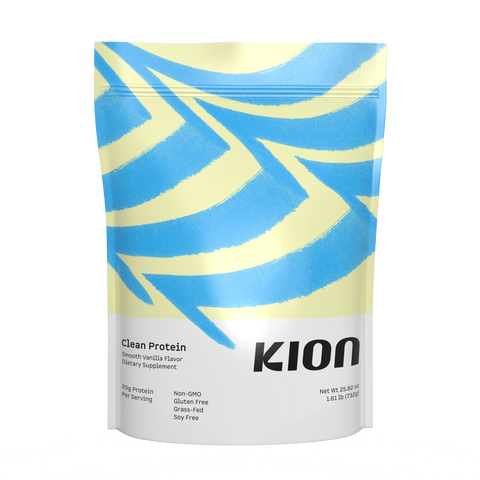
- When appetite suppression limits food protein, use a high-quality protein supplement or free-form EAA product to fill gaps — Kion Clean Protein and Kion
-
Aminos are designed for exactly this use case
Do not allow protein intake to slip below 1.2 g/kg/day even on low-appetite days
Training
- Perform resistance training at minimum 2x/week; 3–4x/week is optimal
- Use progressive overload: gradually increase weight, reps, or sets over time
- Do not replace resistance training with cardio — add cardio on top of resistance training, not instead of it
- Consider creatine monohydrate supplementation (3–5g/day) for training support
Supplementation
- Consider daily free-form EAA supplementation, additional servings can be taken between meals when protein targets are difficult to hit from food or before activity
- Consider omega-3 supplementation if fatty fish intake is low
- Monitor and address vitamin D, B12, and iron status through regular bloodwork
Monitoring
- Track body composition (not just scale weight) through DEXA, BIA, or circumference measurements
- Monitor gym performance — a sustained decline in strength is a meaningful warning sign
- Regular bloodwork for micronutrient status every 3–6 months while on GLP-1 therapy
Summary
GLP-1 receptor agonists — including semaglutide and tirzepatide — are highly effective for weight loss, but they create a nutritional environment where lean muscle mass is at significant risk.
The mechanism is straightforward: appetite suppression reduces food intake, which lowers protein consumption, at the same time that caloric restriction increases the body's whole-body essential amino acid requirements. The result is a deficit in the precise nutrients required to maintain muscle protein synthesis.
The solution is equally straightforward in principle, though it requires consistent effort: eat adequate high-quality protein (targeting 1.2–2.0+ g/kg/day depending on age and activity level), perform resistance training consistently (minimum twice per week), ensure EAA availability when food protein is insufficient, and monitor body composition rather than scale weight alone.
Neither semaglutide nor tirzepatide is inherently more protective of lean mass — the outcome depends on the protocol built around the medication, not the medication itself.
GLP-1 therapy can produce an excellent body composition outcome, but only if lean mass preservation is treated as an active, daily priority rather than a passive byproduct of weight loss.
Frequently Asked Questions
What is a GLP-1 and how does it work for weight loss?
A GLP-1 receptor agonist (GLP-1 RA) is a medication that mimics glucagon-like peptide-1, a gut hormone that regulates appetite and blood sugar. It works by slowing gastric emptying, stimulating insulin release in response to food, and signaling the brain's satiety centers to reduce hunger. The result is significantly reduced appetite and, over time, substantial caloric restriction that drives weight loss. Common examples include semaglutide (Wegovy, Ozempic) and tirzepatide (Zepbound, Mounjaro).
Does GLP-1 medication cause muscle loss?
GLP-1 medications can contribute to lean muscle loss when protein intake is not adequately maintained. The medications themselves do not directly cause muscle loss — the mechanism is indirect: appetite suppression reduces overall food intake, which lowers protein consumption, at the same time that caloric restriction elevates whole-body EAA requirements. When protein and EAA intake fall short of what the body needs to support muscle protein synthesis, lean mass is broken down to fill the gap. An exploratory DEXA analysis of the STEP 1 semaglutide trial found a 9.7% reduction in total lean body mass over 68 weeks, alongside a 19.3% reduction in fat mass — with fat lost at roughly twice the rate of lean tissue.
How much protein do you need on a GLP-1 to preserve lean body mass?
Research supports protein targets well above the standard DRI for GLP-1 users in caloric restriction. General targets: sedentary adults should aim for at least 1.2 g/kg body weight/day; active adults should target 1.4–1.6 g/kg/day; adults over 50 should target 1.6–2.0 g/kg/day or higher if active. These values reflect the elevated protein needs during caloric restriction and aging. For a 180-pound (82 kg) active adult, this translates to approximately 115–130 grams of protein per day.
Can you build muscle while taking Wegovy or Zepbound?
Building muscle while on a GLP-1 in a significant caloric deficit is difficult but not impossible, particularly for beginners or those returning to training. For most users, the more realistic goal is preserving lean body mass while losing fat — commonly called body recomposition. Achieving this requires adequate protein intake (1.4–2.0 g/kg/day), consistent resistance training, and sufficient EAA availability. Experienced trainees in a deep deficit are unlikely to build new muscle but can meaningfully limit muscle loss with the right protocol.
What is the difference between semaglutide and tirzepatide for muscle preservation?
Both semaglutide and tirzepatide can lead to reductions in lean body mass through the same mechanism — appetite suppression leading to reduced protein intake during caloric restriction. Tirzepatide produces greater average weight loss (approximately 20–22% of body weight vs. ~15% for semaglutide in large trials), but the lean mass lost in both cases is primarily determined by protein intake and resistance training, not the specific medication. Neither drug is inherently more muscle-protective; the protocol built around either medication matters far more than the choice between them.
Why am I losing muscle on tirzepatide or semaglutide?
Muscle loss on GLP-1 medications typically results from one or more of the following: protein intake that is too low to support muscle protein synthesis during caloric restriction; absence of resistance training to provide the mechanical signal to retain muscle; inadequate essential amino acid availability (particularly leucine) to stimulate MPS; or all three simultaneously. The warning signs include declining gym performance, persistent muscle soreness, and a "softer" physical appearance despite weight loss. All of these are correctable with the nutrition and training interventions described in this guide.
Do you need to stop taking GLP-1 medication to maintain muscle?
No. Discontinuing GLP-1 medication is not necessary to preserve or maintain muscle mass. The interventions that protect lean body mass — adequate protein intake, resistance training, EAA supplementation — can be implemented while continuing medication. Discontinuing GLP-1 therapy often results in weight regain, which may include fat gain rather than recovery of lean mass. The goal is to build the protective protocol around the medication, not to choose between the medication and muscle preservation.
What role do essential amino acids play in muscle preservation on GLP-1 therapy?
Essential amino acids (EAAs) are the nine amino acids the body cannot produce — they must come from food or supplementation. All nine are required to fully support muscle protein synthesis. During caloric restriction, whole-body EAA requirements increase, meaning the body needs more of these amino acids at the exact time that appetite suppression makes them harder to consume from food. Free-form EAA supplements deliver all nine EAAs in a rapidly absorbed format that stimulates MPS without the caloric load of a protein shake, making them a practical tool for GLP-1 users managing suppressed appetite.
What is the best time to take protein or EAAs on a GLP-1?
Distributing protein intake across the day matters more than any single optimal timing window. GLP-1 users should aim for 25–40 grams of high-quality protein per meal across 3–4 meals. For those using EAA supplementation, taking a dose around training (before or during exercise) may enhance the anabolic interaction between EAAs and exercise — research suggests EAA taken prior to exercise produces a greater anabolic effect than post-exercise consumption, due to the amplified delivery of amino acids to muscle during exercise-induced increases in blood flow.⁷,¹⁰ When appetite suppression makes meals smaller or less frequent, EAA supplementation between meals helps maintain the total daily EAA availability needed for muscle maintenance.
This article is for educational purposes only and does not constitute medical advice. GLP-1 medications are prescription drugs. Always consult your prescribing physician before making changes to your medication, nutrition, or supplementation protocol.
Better Aminos

Scientific Research
- Gwin JA, Church DD, Hatch-McChesney A, et al. Effects of high versus standard essential amino acid intakes on whole-body protein turnover and mixed muscle protein synthesis during energy deficit: a randomized, crossover study. Clin Nutr. 2021;40(3):767–777. doi:10.1016/j.clnu.2020.07.019
- Wilding JPH, Batterham RL, Calanna S, et al. Impact of semaglutide on body composition in adults with overweight or obesity: exploratory analysis of the STEP 1 study. J Endocr Soc. 2021;5(Suppl 1):A16–A17. doi:10.1210/jendso/bvab048.030
- Morton RW, Murphy KT, McKellar SR, et al. A systematic review, meta-analysis and meta-regression of the effect of protein supplementation on resistance training-induced gains in muscle mass and strength in healthy adults. Br J Sports Med. 2018;52(6):376–384. doi:10.1136/bjsports-2017-097608
- Areta JL, Burke LM, Ross ML, et al. Timing and distribution of protein ingestion during prolonged recovery from resistance exercise alters myofibrillar protein synthesis. J Physiol. 2013;591(9):2319–2331. doi:10.1113/jphysiol.2012.244897
- Paddon-Jones D, Sheffield-Moore M, Katsanos CS, et al. Differential stimulation of muscle protein synthesis in elderly humans following isocaloric ingestion of amino acids or whey protein. Exp Gerontol. 2006;41(2):215–219. doi:10.1016/j.exger.2005.10.006
- Adibi SA, Fogel MR, Agrawal RM. Comparison of free amino acid and dipeptide absorption in the jejunum of sprue patients. Gastroenterology. 1974;67(4):586–591. doi:10.1016/S0016-5085(19)32783-0
- Biolo G, Tipton KD, Klein S, Wolfe RR. An abundant supply of amino acids enhances the metabolic effect of exercise on muscle protein. Am J Physiol. 1997;273(1 Pt 1):E122–9. doi:10.1152/ajpendo.1997.273.1.E122
- Bischoff-Ferrari HA, Dietrich T, Orav EJ, et al. Higher 25-hydroxyvitamin D concentrations are associated with better lower-extremity function in both active and inactive persons aged ≥ 60 y. Am J Clin Nutr. 2004;80(3):752–758. doi:10.1093/ajcn/80.3.752
- Smith GI, Atherton P, Reeds DN, et al. Omega-3 polyunsaturated fatty acids augment the muscle protein anabolic response to hyperinsulinaemia-hyperaminoacidaemia in healthy young and middle-aged men and women. Clin Sci. 2011;121(6):267–278. doi:10.1042/CS20100597
- Tipton KD, Rasmussen BB, Miller SL, et al. Timing of amino acid-carbohydrate ingestion alters anabolic response of muscle to resistance exercise. Am J Physiol. 2001;281(2):E197–206. doi:10.1152/ajpendo.2001.281.2.E197
- Tipton KD, Gurkin BE, Matin S, Wolfe RR. Nonessential amino acids are not necessary to stimulate net muscle protein synthesis in healthy volunteers. J Nutr Biochem. 1999;10(2):89–95. doi:10.1016/S0955-2863(98)00087-4


