





Key takeaways
- Yes, you can build muscle while losing fat at the same time.
- Body recomposition works best with resistance training, high protein intake, and good recovery.
- A small calorie deficit is usually more effective than an aggressive cut if you want to keep or build lean mass.
- Training performance matters: keep your strength-training sessions challenging, keep protein high, and avoid letting recovery slip.
- Beginners, returners, and people with higher body fat usually have the highest recomposition potential.
- Essential amino acids can help support muscle protein balance during calorie restriction, but they complement rather than replace total daily protein.⁸ ⁹
Can You Build Muscle While Losing Fat?
Yes—under the right conditions, you can build muscle while losing fat. This is called body recomposition. It works best when you combine resistance training, high daily protein intake, a modest calorie deficit or maintenance-level calories, and consistent recovery. Beginners, people returning to exercise, and those with more body fat usually see the fastest progress, while leaner and more highly trained individuals typically need more precision and patience.¹ ²
Below, we break down how to set your calories, calculate protein, train for progress, fuel performance, and track real changes—so you keep and build strength and lean mass while the fat comes off. For a deeper dive into the physiology, see our overview of muscle-building science.
What is body recomposition?
Body recomposition means building muscle while losing fat at the same time. In plain English, it is the process of getting leaner without giving up muscle, or adding muscle without gaining more fat than necessary.
What it is and why it works: Resistance training provides the signal for muscle growth, while adequate protein and overall energy availability support muscle protein synthesis. A modest calorie shortfall can then encourage your body to pull more of its energy from stored fat. Mechanistically, muscle protein synthesis is driven by both exercise and essential amino acid availability, especially when total daily protein intake is sufficient.³ ⁴
Who benefits most: Body recomposition is most achievable for those carrying more body fat, people coming back after a break from exercise, and beginner weight lifters. More advanced and already-lean people can still build muscle while losing fat, but progress is usually slower and requires tighter control of exercise, food intake, and recovery.⁵
Who is body recomposition best for?
- People with higher body fat: If you have more stored energy available, it is often easier to lose fat without losing muscle, especially if protein intake and resistance training are in place.
- People returning to exercise: If you have trained before and are coming back after time off, body recomposition is often more realistic than a traditional bulk or cut.
- Beginners: People who are new to strength training often have the easiest time gaining muscle while losing fat because their bodies tend to respond quickly to a new training stimulus.
- Leaner, more advanced individuals: Recomposition is still possible, but it is usually slower. In this group, maintaining muscle in a calorie deficit or gaining muscle while cutting calories takes more precision.
When to consider traditional bulking or cutting rather than body recomposition: If you are already very lean and have been training seriously for a long time, muscle gain often comes more easily with a small calorie surplus. If you carry more body fat, a small deficit usually leads to faster visual change while still allowing you to maintain or even build lean mass if resistance training and protein intake are in place.² ⁶
How many calories should you eat to build muscle while losing fat?
To build muscle while losing fat, most people do best at maintenance calories or in a small calorie deficit rather than an aggressive cut.
Pick a main priority first. As a rule of thumb, lean individuals (for example, men around 8-12% body fat and women around 18-22% body fat) should prioritize muscle gain or very slow recomposition, while those with higher body fat tend to progress faster by leading with fat loss. A moderate deficit protects performance while enabling fat reduction.¹
Use the table below to set targets:
| Your current status | Primary goal | Daily calorie target | Notes |
|---|---|---|---|
| Lean (already defined abs; men ~≤12% BF) | Build muscle or very slow recomp | Around maintenance to +5-10% | Keep lifts progressing; avoid big deficits |
| Moderate (some definition; mid-range BF) | Recomp or slow fat loss | Maintenance to -5-10% | Small deficit with high protein preserves lean mass |
| Higher body fat | Fat loss with muscle preservation | -10-15% (about 200-500 kcal below maintenance) | Prioritize strength, protein, and steps |
Tips:
- Estimate maintenance using a reliable calculator, then adjust based on 2-3 weeks of trend data.
- For recomposition, keep calories near maintenance or in a modest deficit. Extreme deficits raise the risk of losing lean mass, reducing training quality, and increasing fatigue.¹ ²
How much protein do you need to build muscle while losing fat?
To lose fat without losing muscle, protein intake needs to stay high enough to support recovery, performance, and muscle protein synthesis.
Protein helps preserve and build lean tissue—especially in a deficit.
How much: Protein needs are generally higher during fat loss, especially if you are lean, highly active, or trying to preserve as much muscle as possible. In practice, leaner individuals often benefit from the higher end of the recommended range, while people with more body fat may not need to push protein intake quite as high. Evidence suggests that higher protein intakes combined with resistance training are especially useful during fat-loss phases for preserving lean mass and supporting performance.¹ ² ⁶
Example: A 165 lb individual at 10% body fat has about 148.5 lb of lean body mass. A relatively high protein intake could land somewhere around 180-225 g per day, depending on total calories, activity level, and how aggressively that person is dieting.
Distribute protein across 3-5 meals to stimulate muscle protein synthesis multiple times across the day. Meals that provide enough essential amino acids—and enough leucine in particular—appear especially effective for stimulating this response.³ ⁷
Note on calorie deficits and EAAs: When calories are restricted, the body’s demand for essential amino acids rises. In one randomized crossover study using a roughly 30% energy deficit, higher EAA intake improved whole-body protein turnover, and related work suggests that substantially greater EAA availability may be needed to preserve anabolic sensitivity during dieting.⁸ ⁹
Sample daily protein targets:
| Body weight | Est. body fat | Est. LBM | Target (g protein/day) |
|---|---|---|---|
| 150 lb | 25% | 112.5 lb | ~135-155 g (about 0.9-1.0 g/lb body weight) |
| 165 lb | 10% | 148.5 lb | ~180-225 g (about 0.9-1.0 g/lb body weight) |
| 200 lb | 18% | 164 lb | ~190-230 g (about 1.0-1.15 g/lb body weight) |
Practical pointers:
- Anchor each meal with 25-50 g of high-quality protein.
- If you struggle to hit protein targets with food alone, a well-formulated essential amino acid supplement can help fill gaps. This can be especially useful in a calorie deficit, when total EAA demand rises.⁸ ⁹
How should you train to build muscle while losing fat?
If your goal is body recomposition, resistance training is the main reason your body keeps muscle instead of losing it during fat loss.
Resistance training—lifting weights, using machines, or bands—provides the main signal to build or maintain muscle while you’re losing fat. Without it, the body is more likely to lose muscle along with fat.
Core guidelines:
- Frequency: Many people do well with 2-4 resistance-training sessions per week and training each major muscle group at least twice across the week.
-
Progressive overload: Gradually add reps, load, or sets to keep the growth signal strong.
- Volume: Weekly training volume should be high enough to support progress, but not so high that recovery starts to suffer. During a calorie deficit, slightly reducing volume while maintaining effort often works better than trying to push maximal training volume.¹¹ ⁶
- Cardio: Keep it supportive. Favor low-to-moderate intensity cardio on separate days or after lifting; use high-intensity intervals judiciously so they do not interfere with performance or recovery.¹²
Sample weekly structures:
- 3 days: Full-body A/B/C (squat/hinge/push/pull each day, rotating emphasis)
- 4 days: Upper/Lower/Upper/Lower (compound lifts first, accessories second)
- 2 days (minimum effective): Two full-body sessions, 6-8 compound movements total
What should you eat before and after workouts for body recomposition?
Pre- and post-workout nutrition can make it easier to train hard, recover well, and keep muscle in a calorie deficit.
Before: In the 1-3 hours before lifting, include protein and carbohydrates if possible. This can help support training quality and provide amino acid availability around the session.¹³
After: Within a few hours after training, another protein-rich meal can help support recovery and muscle protein synthesis. Adding carbohydrates can also help replenish glycogen, especially when training volume is high, calories are reduced, or another session is coming soon.⁴ ¹³
Evidence-backed supplements:
-
Whey protein: Convenient, high-quality protein to help hit daily targets.
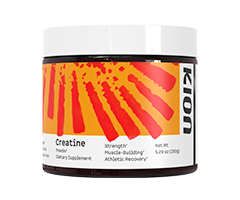
- Creatine monohydrate: 3-5 g/day supports strength, training performance, and lean mass.¹⁴
-
Omega-3s and caffeine: Optional additions depending on your goals and tolerance. Omega-3s may support muscle function in some contexts, and caffeine can improve resistance training performance.¹⁵ ¹⁶
- Essential amino acids: A targeted EAA blend can boost per-meal amino acid availability when appetite, meal timing, or total calories are limiting. This is especially relevant during calorie restriction, where higher EAA availability appears beneficial for whole-body protein balance and anabolic support.⁸ ⁹


Do essential amino acids help you keep muscle in a calorie deficit?
Yes, essential amino acids (EAAs) can help support whole-body protein balance during calorie restriction, especially when calories are low, appetite is limited, or a full protein-rich meal is not practical.⁸ ⁹
What are EAAs? Essential amino acids are the nine amino acids your body cannot make on its own. They must come from food or supplementation, and they are required to support muscle protein synthesis.³ ⁹
Why they matter when cutting calories: Essential amino acids provide the indispensable amino acids needed to support protein synthesis without adding many calories. That can make them useful when energy intake is lower and preserving lean tissue is a priority.³ ⁸ ⁹
When they help most: During calorie restriction, maintaining net muscle balance becomes harder. In short-term energy deficit research, EAA-enriched feeding produced a more favorable whole-body net protein balance than isonitrogenous whey or a mixed-macronutrient meal after exercise.⁸
When they do not replace protein: Essential amino acids can support muscle retention, but they do not replace a strong total daily protein intake from whole foods and complete protein sources. Think of them as a tool to help close gaps, not as a substitute for eating enough protein overall.
Practical use cases: take EAAs before training to stimulate muscle protein synthesis and get the most out of your training, to supplement light-protein meals, or after a workout if it has been 3 or more hours since your last protein-rich meal. Essential amino acids complement total daily protein intake; they do not replace a solid whole-food protein foundation.
How do you track body recomposition progress?
The scale alone can be misleading. Use multiple metrics to capture real recomposition:
- Strength logs and performance trends
- Circumference measurements (waist, hips, arms)
- Progress photos (same lighting and pose)
- Periodic body composition testing (DEXA, BIA), when feasible
- Recomposition is not linear. Expect plateaus; make one small change at a time and reassess after 2-3 weeks.
Adjustment guide:
| After 2-3 weeks, you see… | Likely issue | Smart adjustment |
|---|---|---|
| Weight -0.25% to -0.75%/week, waist down, strength steady/up | On track | Stay the course |
| Weight >1%/week down, strength/energy dropping | Deficit too steep | Add 150-250 kcal/day or 1-2 refeed days |
| Weight flat, waist not shrinking, strength flat/down | Not enough energy out or too many calories in | Add 2,000 daily steps and/or reduce 150-200 kcal/day |
| Persistent joint fatigue, stalled lifts | Accumulated fatigue | Deload 1 week; resume with slightly lower volume |
How important are sleep and recovery for body recomposition?
Recovery makes or breaks muscle retention during fat loss. Poor sleep or high stress can impair training quality, reduce recovery, and shift weight loss toward greater lean-mass loss.
Sleep: Aim for 7-9 hours nightly with consistent bed and wake times. Experimental work shows that sleep restriction during dieting increases the proportion of weight lost as lean mass.¹⁷
Stress: Plan deloads every 6-8 weeks, use brief mindfulness or breathwork sessions, and keep hydration high.
High-impact habits to implement now:
- Create a 45-60 minute pre-bed routine; dim lights and avoid screens.
- Keep your room dark, cool, and quiet; consider a sleep mask or white noise.
- Walk 5-10 minutes after meals to reduce stress and aid recovery.
- Schedule one easy week after 6-8 weeks of hard training.
- Limit alcohol and ensure every meal includes high-quality protein and produce.
Frequently asked questions
Can you build muscle and lose fat at the same time?
Yes. This is called body recomposition, and it works best when progressive resistance training, high daily protein intake, and recovery are all in place.¹ ²
Can you build muscle in a calorie deficit?
Yes, especially if the deficit is modest and you continue doing effective resistance training. Beginners, people returning to exercise, and people with higher body fat often have the best chance of gaining muscle while cutting calories.
How much protein do I need to preserve muscle during fat loss?
Most people do well with high daily protein intake during fat loss, with leaner or more active individuals often benefiting from the higher end of the range. The exact number should be based on body size, body composition, training load, and calorie intake.¹ ² ⁶
How big should your calorie deficit be for body recomposition?
For most people, a small deficit works better than a large one if the goal is to lose fat without losing muscle. Cutting too hard increases the risk of poorer recovery, lower performance, and more lean-mass loss.¹ ²
What is the ideal resistance training frequency for body recomposition?
There is not one perfect frequency. For most people, training each major muscle group at least twice per week with enough total weekly work to support progress is a practical starting point.¹¹
Are essential amino acids enough, or do you still need total daily protein?
You still need enough total daily protein. EAAs can help support whole-body protein balance, especially in a calorie deficit, but they work best as a supplement to a strong protein intake rather than a replacement for it.⁸ ⁹
Is cardio bad for muscle gain during fat loss?
Not necessarily. Cardio can support fat loss and general fitness, but too much high-intensity work can interfere with recovery and lifting performance if it is not programmed carefully.¹²
How important is sleep for muscle retention and fat loss?
Very important. Poor sleep makes it harder to recover, perform well in training, and hold onto lean mass during a deficit.¹⁷
How should I track progress beyond the scale?
Use strength logs, tape measurements, progress photos, and body composition scans when available. The goal is to track fat loss, muscle retention, and performance together.
Better Aminos

Scientific Research
- Helms ER, Aragon AA, Fitschen PJ. Evidence-based recommendations for natural bodybuilding contest preparation: nutrition and supplementation. J Int Soc Sports Nutr. 2014.
- Longland TM, Oikawa SY, Mitchell CJ, et al. Higher compared with lower dietary protein during an energy deficit combined with intense exercise promotes greater lean mass gain and fat mass loss. Am J Clin Nutr. 2016.
- Volpi E, Kobayashi H, Sheffield-Moore M, et al. Essential amino acids are primarily responsible for the amino acid stimulation of muscle protein anabolism in healthy elderly adults. Am J Clin Nutr. 2003.
- Church DD, Hirsch KR, Park S, et al. Essential Amino Acids and Protein Synthesis: Insights into Maximizing the Muscle and Whole-Body Response to Feeding. Nutrients. 2020.
- Morton RW, Murphy KT, McKellar SR, et al. A systematic review, meta-analysis and meta-regression of the effect of protein supplementation on resistance training-induced gains in muscle mass and strength in healthy adults. Br J Sports Med. 2018.
- Helms ER, Fitschen PJ, Aragon AA, et al. Recommendations for natural bodybuilding contest preparation: resistance and cardiovascular training. J Int Soc Sports Nutr. 2014.
- Wilkinson DJ, Bukhari SSI, Phillips BE, et al. Effects of leucine-enriched essential amino acid and whey protein bolus dosing upon skeletal muscle protein synthesis at rest and after exercise in older women. Clin Nutr. 2018.
- Gwin JA, Church DD, Hatch-McChesney A, et al. Essential amino acid-enriched whey enhances post-exercise whole-body protein balance during energy deficit more than iso-nitrogenous whey or a mixed-macronutrient meal: a randomized, crossover study. J Int Soc Sports Nutr. 2021.
- Gwin JA, Church DD, Hatch-McChesney A, et al. Effects of high versus standard essential amino acid intakes on whole-body protein turnover and mixed muscle protein synthesis during energy deficit: a randomized, crossover study. Clin Nutr. 2021.
- Schoenfeld BJ, Grgic J, Ogborn D, Krieger JW. Strength and hypertrophy adaptations between low- vs. high-load resistance training: a systematic review and meta-analysis. J Strength Cond Res. 2017.
- Schoenfeld BJ, Ogborn D, Krieger JW. Dose-response relationship between weekly resistance training volume and increases in muscle mass: a systematic review and meta-analysis. J Sports Sci. 2019.
- Wilson JM, Marin PJ, Rhea MR, et al. Concurrent training: a meta-analysis examining interference of aerobic and resistance exercises. J Strength Cond Res. 2012.
- Jäger R, Kerksick CM, Campbell BI, et al. International Society of Sports Nutrition position stand: protein and exercise. J Int Soc Sports Nutr. 2017.
- Kreider RB, Kalman DS, Antonio J, et al. International Society of Sports Nutrition position stand: safety and efficacy of creatine supplementation in exercise, sport, and medicine. J Int Soc Sports Nutr. 2017.
- Smith GI, Atherton P, Reeds DN, et al. Omega-3 polyunsaturated fatty acids augment the muscle protein anabolic response to hyperinsulinaemia-hyperaminoacidaemia in healthy young and middle-aged men and women. Clin Sci. 2011.
- Grgic J, Trexler ET, Lazinica B, Pedisic Z. Effects of caffeine intake on muscle strength and power: a systematic review and meta-analysis. J Int Soc Sports Nutr. 2018.
- Nedeltcheva AV, Kilkus JM, Imperial J, et al. Insufficient sleep undermines dietary efforts to reduce adiposity. Ann Intern Med. 2010.


